Latest Posts

bread baking

More often than not nowadays, there is a smudge of flour somewhere on my person. Usually it’s on the cuffs on my favourite baggy blue cardigan. Sometimes it’s on my face. I’ve gone out with it splashed down my front, like a walking Rorschach test, and with handprints on my butt from where I’ve hastily brushed off the snowy white dust before dashing off a few lines on my laptop, or darting to the oven to check on whatever is currently making my kitchen smell like heaven.

You see, I’ve been baking a lot of bread.
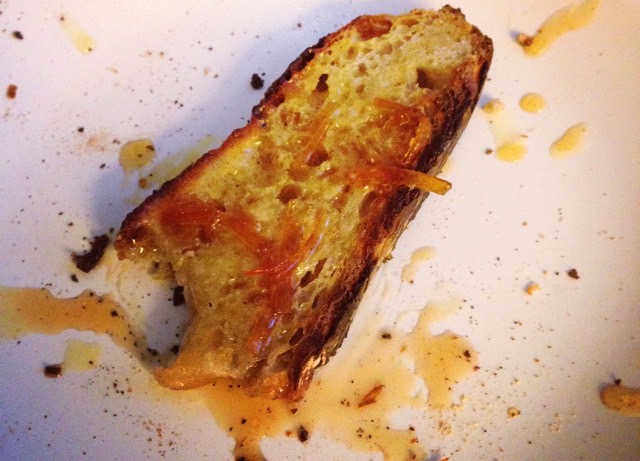
toast and marmalade.jpeg

sourdough toast and marmalade – both homemade – was a meal worth waiting for

I’ve made bagels and wheaten bread. Challah and cornbread. And one of my happiest achievements to date – sourdough.

Sourdough is a tricksome beast. The first time I tried, it was completely off. More like a dense wholemeal loaf than the chewy, crispy, airated bread I was aiming for. All was not lost, however; the brown doorstop made a pretty decent bread salad (once liberally doused in olive oil and introduced to the grill). The problem – I surmised, with my best Sherlockian pout – was the starter. The magical mix of flour, water and time that should give sourdough its rise and its character.
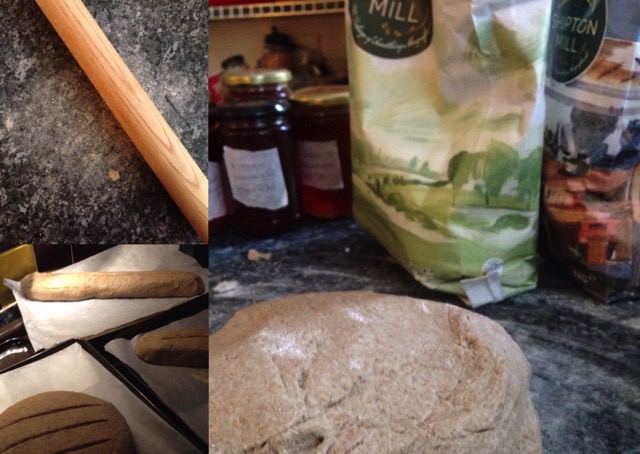
first failed loaf.jpeg

making the first, somewhat ill-fated loaf

But while the main components of starter are simple, what it creates is so much more than the sum of its parts. By giving flour and water some time to sit around, getting to know each other in just the right setting, you create something wild, primitive, epic. This is wild yeast; the stuff of sourdough’s bubbles and rise. But as my first attempt showed; not all are created equal. I’ve since rescued that first failed starter – it’s now a wholemeal/rye/white flour hybrid and makes for a very tasty loaf – and created a brand new one, following a new recipe. Just a tablespoon of this starter added to the dough mixture helps give the bread its signature airy bubbles.

I’d say I’ll walk you through the sourdough loaf recipe, but the folks at Kitchn have got this one sussed. I read a lot of recipes (dense, confusing recipes and long, confusing ones – sourdough is a much talked about topic) and this is a great one. It’s easy to follow and tells you why you’re doing what you’re doing, guiding you through every step. I’m on my sixth or so loaf and it just gets better. The glee at seeing a perfect sourdough loaf come out of the oven – made with nothing but flour, water and a little TLC – simply can’t be beat. Other than the Seville Orange Marmalade I’ve been making, it’s the best thing that’s come out of my kitchen in a long while.
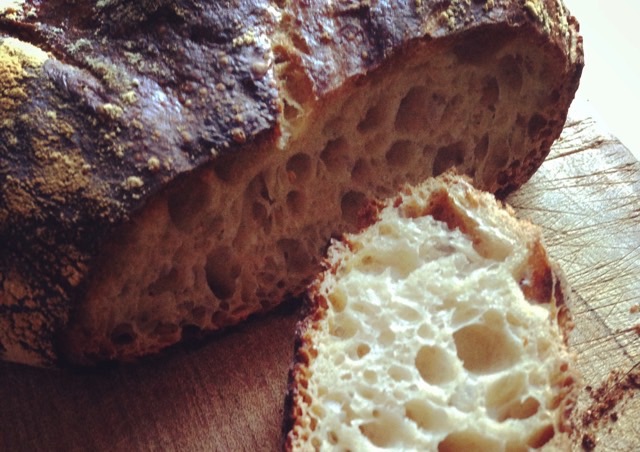
First loaf.jpeg

the first ‘official’ loaf – would’ya look at those air bubbles?

I second what Emma Christensen at Kitchn says about getting yourself a cast iron Dutch oven to bake your bread in; it captures the steam and heat amazingly, helping you create a bakery-style loaf with next to no effort.

bread in le creuset.jpeg

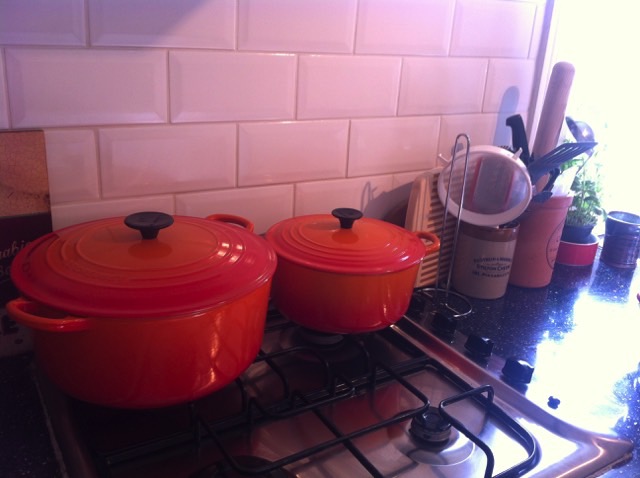
cast iron casserole dishes *with lids* are perfect for baking sourdough

A couple of things to note though:

  • It’s worth scouting out a secondhand cast iron casserole dish for this as it does cause staining inside and out, which I have yet to remove, even using a paste of bicarb and water. So save your special cast iron dish for other recipes and dedicate a pre-loved one to this task instead. I found a great little oval Le Creuset for around £30 from ebay (for little loaves), and a whopper of a cast iron beast from a local charity shop for £6 (for big ‘uns).
  • I was initially worried about heating an enamelled cast iron dish without anything in it (as suggested by the recipe, you preheat the empty dish in the oven). I’ve done a little research around this and the conclusion (thanks, internet) seems to be that it’s fine. I’m still a little skittish though, so I put my cast iron pot in a cold oven and then start preheating. This way it comes to temperature gradually – rather than risk putting it in at full whack (the recipe does require a hot, hot oven).
  • Proving baskets, while a great addition to any baking kitchen, aren’t necessary. I use the flour-covered, tea towel-lined colander/mixing bowl method and it works great. Incidentally, proving the loaves in a round container even if you’re putting them in oval casseroles to bake is absolutely fine (they end up fitting the shape of your cast iron pot anyway). I also have yet to invest in a bench scraper – I’ve been shaping the loaves by hand and, while a little harder, it causes no ill effects!
  • When it comes to keeping the starter toasty in my chilly Scottish flat, I tried the boiler cupboard and the airing cupboard, but the absolute winner has been the top of the fridge. Perfect starter conditions.
    • Remember – once your starter is ready, it can be kept indefinitely in the fridge. Just feed the starter at least once a week (instructions on the Kitchn, as mentioned). If I’m not using it, I typically feed my starter in the evening and leave it at room temperature overnight (to give it a good head start) before popping it back in the artic regions of the fridge so it stays healthy and alive.
    • But if you’re planning to use the starter, take it out of the fridge 2-3 days beforehand and feed it daily, keeping it in your room temp/toasty place. This will make sure it’s extra strong and potent and your loaf will have bubbles galore. Once you’ve used it to make your delicious, delicious bread, just pop it back in the fridge.
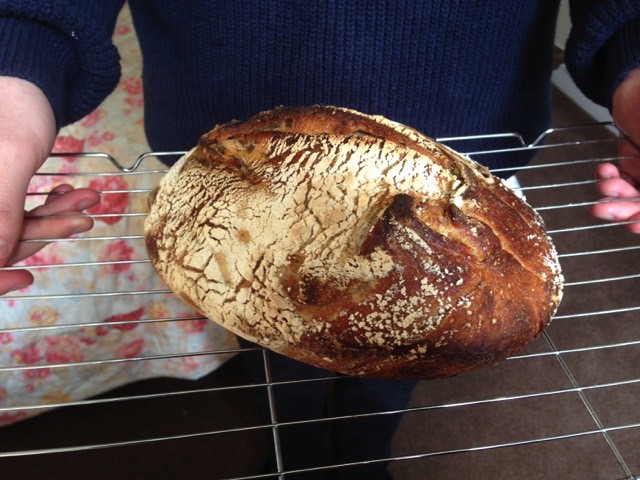
Jake's first sourdough.jpeg

all the cool kids are doing it – check out Jake’s first amazing sourdough loaf

So what are you waiting for? If you get your starter going now, you can have home-baked bakery-quality sourdough in five days! That’s about time for a cast iron casserole to arrive from ebay… just sayin’.

Happy baking!


Kitchem Gremlin – A New Year, A New Recipe

chapter 3: on being a hibernating kitchen gremlin

So, it’s been a while. I’d like to blame the weather. Maybe work. But I think it all comes down to wintertime hibernation. I mean, there have been storms. (FYI: the best way to spot the English woman in Glasgow is to look for the one wearing a non-waterproof wool coat and charging into gale-force winds and torrential rain with a mini folding umbrella). And I’ve had work to do – after all, bills come with alarming regularity whether you’re in the mood for earning money or not. But mainly my flat was cosy, if not wholly warm (having all the windows ripped out and replaced in mid-December was hardly a barrel of laughs), and I was somewhat shocked by finding myself in a new country where I didn’t know anyone and where I still hadn’t quite got an ear for the local accent.

A Kitchen Gremlin at Work

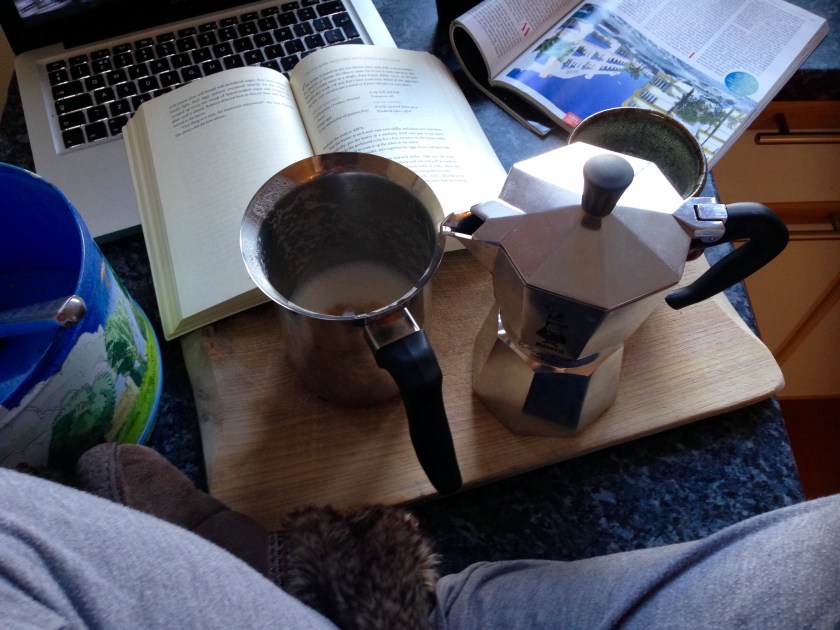
Sitting on my kitchen countertops, making café au lait with my bialetti, reading and eating cake – in true Kitchen Gremlin fashion!

So I stayed inside. We invested in a fleecy electric blanket and covered the sofa in it; quite possibly the best decision ever made by hibernating humanoids. I ordered more and more cookbooks (I couldn’t be stopped, although a valiant attempt was made) and cuddled up with them on said toasty sofa and took them with me on my forays into the kitchen, which, incidentally is my favourite room in the new flat. Think: high ceilings, tons of room, and a counter perfect for sitting on in what I have come to call my “kitchen gremlin” moments. And I watched a lot of TV. J went off to classes, braving the storms, and shouldering the responsibility of being out in the world for us both. But not before he brought me coffee in bed. It’s not been a bad few months. Nope, not at all.

Out and About in Glasgow

Kelvingrove Museum and Art Gallery – as seen from across the road at Brew Dog. The three beer flights made the wet, windy excursion more than worth it. Oh, that and the culture, of course.

But all hibernations must come to an end. And thus it was that I found myself in the aforementioned non-waterproof coat and thinking that a flimsy foldable umbrella was a good call for a stormy outing. Comical now, but at the time I cursed Zeus, Thor and any other deity I could think of – out loud, I might add, because in a storm you can’t hear what the person next to you is saying, let alone what the crazy girl being blown down the street is muttering.

Kitchem Gremlin - Bruschetta

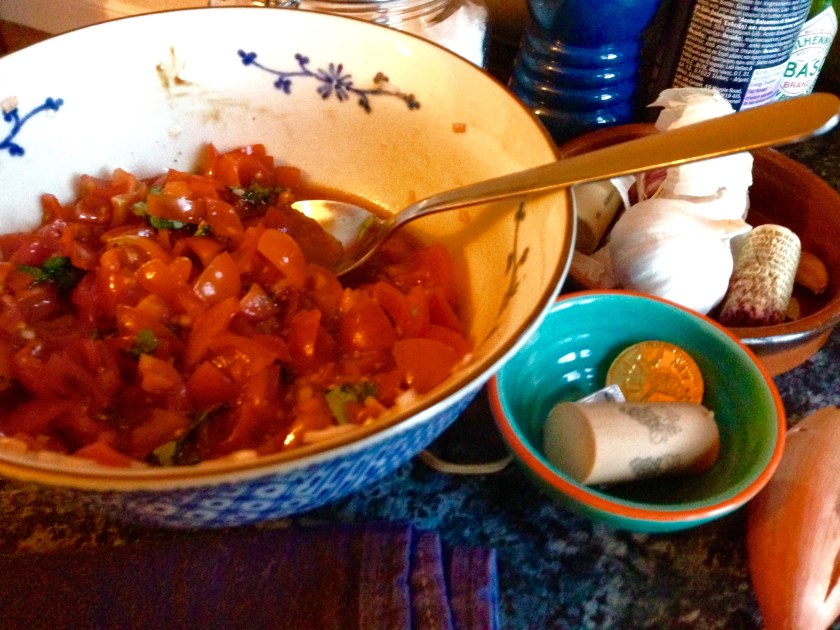
Cherry tomatoes, shallots, basil and garlic – that’s what all delicious bruschettas are made of.

And so it was that I got wet. I lost the feeling in my toes. My umbrella broke. But I was out in the world again; it was worth it. I found a new cheese shop (and in my friend-deprived state almost gave the cheesemonger my number) and discovered Prima Donna, a magically buttery, rich, almost baked-goods-like cheese; I hold it very important to know where to get good cheese. And I found places for great coffee. And live music. And places to buy bags of spices and big, bountiful bunches of herbs. And I found a great margarita (or three). I even found my favourite Chinese crispy chilli, which I’d been craving ever since I finished off my last jar in London back in September. And more than that, I found so very many more places that I can’t wait to go back and explore. It’s pretty awesome here.

FullSizeRender

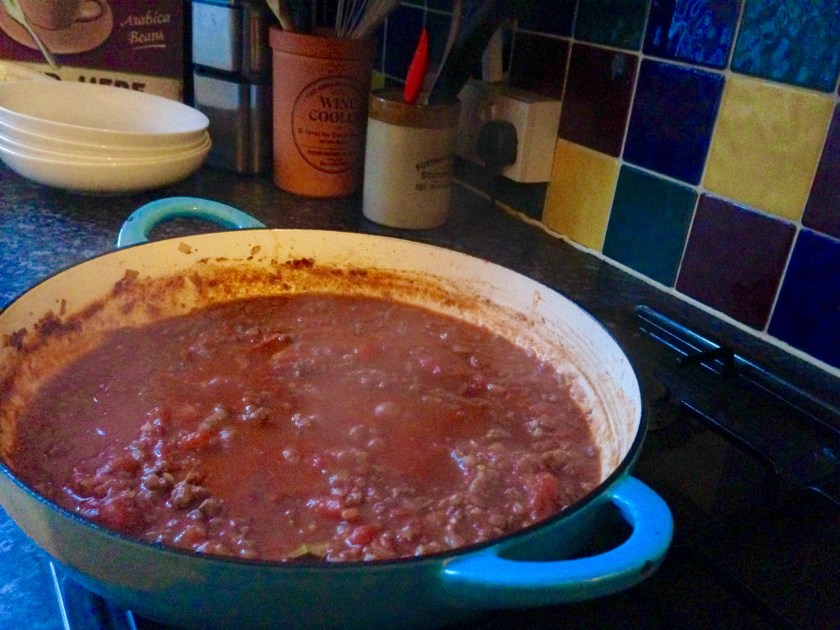
The sausage ragu slowly cooking away…

You’ll notice that, much like my hibernation period in which I got to grips with my new life, my back-in-the-world period has had much, if not all, to do with food. Finding it, cooking it, reading about it; it’s all good. And, happily, with the first visitors to our new flat, I’ve had lots of people to cook for and a happy gathering of new culinary guinea pigs at my table. There’s nothing quite like a warm kitchen full of people on dark wintry evenings, laughing and drinking as supper gently bubbles away in the background. I’m a happy kitchen gremlin.

A Warm Wintry Supper: Bruschetta and Slow-cooked Sausage Ragu
The sausage ragu is adapted from the estimable River Cafe Cookbook and the bruschetta is part of my ongoing saga to capture the finger-licking essence of the dish from Sapori D’italia, a fantastic little Italian restaurant near me in the Southside.

Bruchetta

Toast or grill slices of sourdough. Butter liberally while hot and rub with garlic (slice a clove in half and rub the toast with the cut side). Top this with generous spoonfuls of your tomato mixture: finely diced tomatoes, finely diced shallot (a half or a whole one – it’s up to you, but don’t overdo it), sliced or ripped basil leaves, a generous pinch of salt and grinds of pepper, extra virgin olive oil and a small splash of either balsamic vinegar or balsamic glaze (NB: it’s worth getting the glaze not only because it’s sweet and sticky and delicious, but because it’s great as a final flourish – as you will soon see). You can also add chopped black olives, if you’re a fan, but I’m keeping it simple, à la the version from Sapori d’Italia (one day I will summon the courage to ask them how they make it so good – seriously, it’s amazing, the noises people make when they eat it are hilarious… myself included). Then grate over some parmesan and finish with a drizzle of balsamic glaze and serve – with plenty of napkins!

Slow-cooked sausage ragu
A fantastic wintertime dish, this cooks on the stove for a few hours, filling the house with a rich, mouthwatering scent, keeping your kitchen toasty, and requiring not much more from you than the occasional stir.

Good quality pork sausages (a pack of 8 will suffice)
2 small red onions or 1 large yellow onion or 3-4 shallots, diced
2-3 garlic cloves, diced
2 bay leaves
Pinch of dried chilli flakes (or 2 small dried chillis, crumbled)
1/3 bottle red wine (saving 2/3 for the chef)
2 x cans of plum or chopped tomatoes

Your choice of pasta. Penne, rigatoni, or fusilli would work great in this dish – essentially, you want something with lots of places for the delicious sauce to get stuck! Last time I made this with fusilli giganti, which meant we had gloriously big bites to savour. Use your best judgement with quantities, says I, because having leftovers is part of the fun of cooking. I go by eye, but if you need a measure, opt for around 100g dried pasta per person, with a little bit extra for good measure.

And, of course, olive oil, salt, pepper, and parmesan.

This will serve 4 greedy people (aka my dinner party) or 6 people with more ordinary appetites.

  • Heat a good splash of olive oil in a wide pan. Liberate the sausage meat from the casings (slicing it along its length will do the trick) and add to the pan – breaking it up with a wooden spoon as you go. Cook this gently for about 10 mins; you’ll know when to move on when the sausage juices have evaporated and the fat starts to run.
  • Add your chopped onion, garlic, bay leaves and chilli and cook it all together for half an hour.
  • Add the wine (topping up your own glass in the process) and heat until evaporated, then add your two cans of tomatoes. NB: plum tomatoes are great here, but don’t worry about using chopped.
  • This then cooks for 45 mins to an hour, with you occasionally stirring it, in between drinking, chatting and nibbling on bruschette. During this time it will get thick and luscious.
  • Around the 40 minute mark, get a big pan of salted water going and add your dried pasta. Cook according to packet instructions.
    • I like to serve this with big glasses of a bold red and a green salad with a balsamic vinaigrette. And then just put the parmesan on the table for people to grate onto their own dishes – life is all about generosity… of cheese.

tomato and lentil soup

Reader, meet Big Bob. He is my giant, shiny, totally lust-worthy Le Creuset casserole pot and I have a love for him that is bordering on the obscene (so look away now if you’re of a prudish disposition). But this zealous passion is ameliorated somewhat by the fact that he was given to me by my very own lust-worthy J; my love for them is intermingled and ardent.

Big Bob 7

Big Bob next to Gene – fans of Bob’s Burgers will get where I’m going with this – a gorgeous little Le Creuset I picked up in a charity shop in Notting Hill (which was nothing short of miraculous at the time).

A present from J for my birthday last summer (presented to me Godfather style – tucked down at the foot of our bed, the sheets serving as wrapping paper), the Le Creuset known as Big Bob is now the head of my Kitchen Pantheon. The Zeus of Kitchen Gadgetry. The Odin of Cast Iron Cookware. And I am not ashamed to admit that there was much bouncing involved when I saw the tell-tale box. Some ladies may squeal and bounce for a jewellery box – me, I go for Le Creuset every time. It’s sexy stuff, I assure you.

Big Bob 3

I pondered how best to inaugurate and celebrate Big Bob’s advent into my life and the recipe I settled on, purely because I had both a hankering for it and the requisite ingredients, is one of my favourite soups, heretofor known as: Epic Soul-Soothing Tomato and Lentil Soup.

Big Bob 5

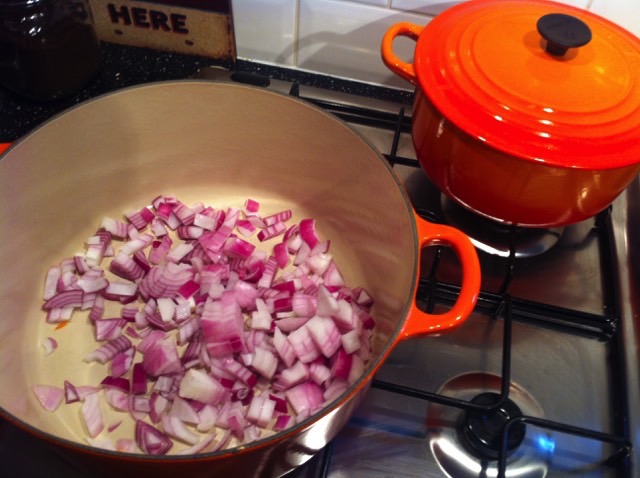
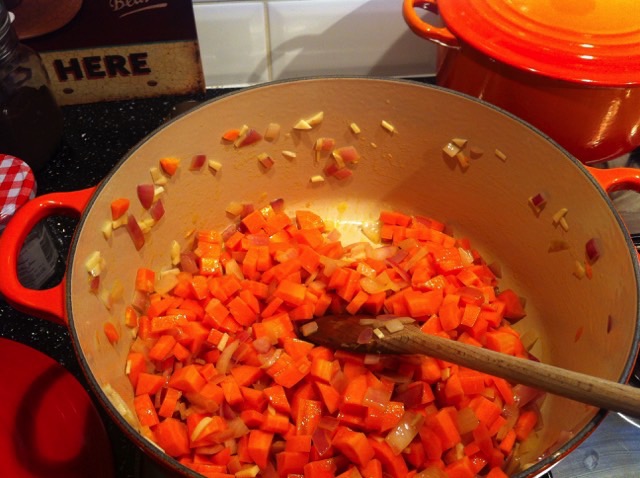
The softening stage – nothing but carrots, onions, garlic, extra virgin olive oil and a pinch of salt.

This is a recipe adapted from the inestimable Elizabeth Bard, from her delicious tome, Lunch in Paris. If you haven’t read it, correct that lapse immediately. She envisions it as “Lentilles au Vin Blanc”, or Lentils with white wine, herbs and tomatoes – a light, but full of flavour lentil dish, served with creme fraiche, fresh lime juice and chopped coriander. A delicious prospect, indeed. But myself, I’ve tinkered with it as I like it as a soup. It’s magical. It’s one of those dishes I like to make when I’m home alone, pottering about the kitchen. It’s best enjoyed alongside a green salad tossed in a lemony vinaigrette and a enviably large glass of white wine.

Big Bob 4

Carrots! As you might guess, this is more than the 3-4 carrots outlined in the recipe. What can I say? They taste great! The more the merrier says I.

Ingredients*

2 cans chopped or plum tomatoes
3-4 carrots (chopped into a chunky dice)
1 red onion, or 3-4 shallots (diced)
1-2 cloves of garlic (finely diced)
1-2 cups of red split lentils**
Chicken stock (approx. 4 tomato cans worth)
Generous slosh of white wine (approx. a small glass)
Big handful of flat-leaf parsley
Extra virgin olive oil, salt, and pepper

Big Bob 6

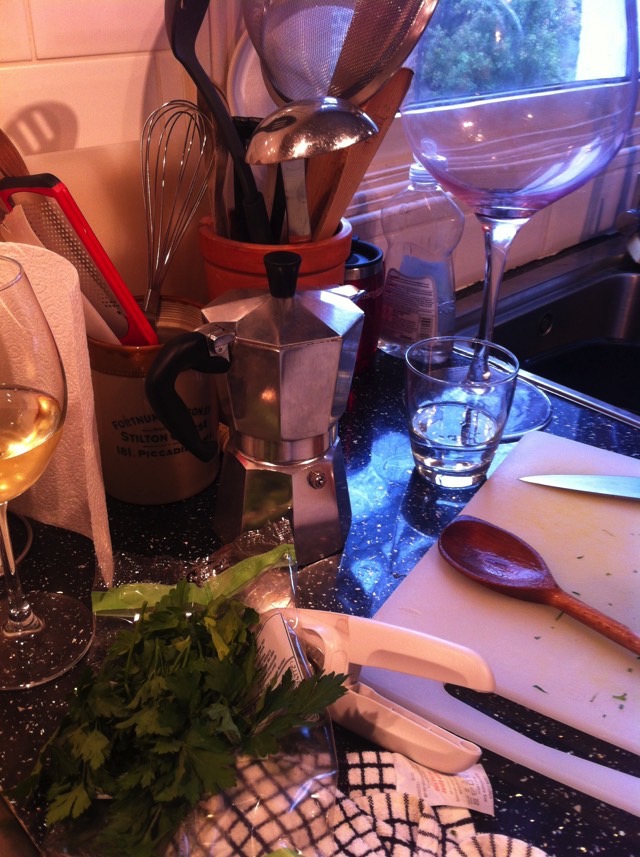
Our old kitchen mid-cooking. I am deliberately not showing you what the other work surfaces looked like… I work in a state of delightful chaos.

*This soup is very forgiving – I very rarely follow a fixed recipe, rather I chuck in as many lentils/carrots/onions as I have/want to consume. Don’t worry too much if you only have one can of tomatoes, for example – just proceed apace, and maybe add a bit of tomato puree – or if you only have one carrot. As with everything I cook, it’s a fairly devil-may-care process so throw caution to the wind, turn up the tunes and get cookin’! My best advice? Taste as you go and adjust accordingly.

Big Bob 8

The almost-finished soup… Looks good already!

** The original recipe calls for puy lentils and, while this is also delicious, I have a particular fondness for the red split kind in this dish. But it depends on what is currently in the larder cupboard. You could also omit the lentils all together and add pasta stars in the final 10 minutes of cooking (this is particularly popular with small humans).

Method

Warm the oil in your own Big Bob – be that a Le Creuset casserole pot or a normal soup pot (it’ll need to be fairly large) – and add the diced carrots and onions with a pinch of salt. The salt will help the onions soften and release a bit of water – I always enjoy this step because it hastens the process along. Then chuck in the diced garlic.

Allow the onions, garlic and carrots to soften slightly (but not brown), stirring frequently for about 5-10 minutes before adding the lentils. You’re not trying to cook the lentils, just coat them in the oil.

Add the wine (and then pour yourself a glass – it’s the chef’s treat, after all), followed by the tomatoes, stock, a bit of freshly ground pepper, and a generous handful of chopped parsley (be sure to leave a bit of the parsley for sprinkling over at the end).

Bring this to the boil, then turn the heat down, allowing it to simmer for about the next hour – stirring occasionally. Meanwhile, you can kick back with some TV and enjoy your wine.

After an hour, it should be cooked (just test the lentils and carrots) so serve it up in your favourite soup bowl with a sprinkling of extra parsley, pour yourself a(nother) glass of wine and toss some soft, dark green salad leaves in a splash of extra virgin olive oil, a squeeze of fresh lemon juice and a pinch of salt. Et voila!

This soup keeps well and, as I said, it’s very forgiving when it comes to proportions so if you want to make more, just add a little more of everything and follow the above. Top tip: make this on a lazy Sunday afternoon, and enjoy it for lunch during the week; it’s the perfect lunchtime pick-me-up on dark and rainy November days, full of flavour and colour.

Clementine Drizzle Mini Loaf Cakes

clementine drizzle mini loaf cakes

I‘ve been making some variation on this recipe since I was a kid; my family are now connoisseurs of this particular baked treat. Fairy cakes were one of the first things I ever learned how to cook and this recipe has evolved out of those first messy, gloopy attempts. Aged seven or eight, I remember baking them at a friend’s house and scrawling down the recipe we used on pink notepaper to take home with me. There’s something magic about the alchemy of baking and I am firmly of the opinion that if you bake with love (or – at a pinch – just a smile), you can taste it. Like something fresh and sparkly behind the buttery goodness.

I kept that little pink recipe for years, eventually absorbing the recipe and merging it with one from Nigella Lawson, I think. It’s one of those recipes that I’ve now been making for so long that I kind of do it without thinking. As I got older, baking became my stress relief and this recipe got pulled out time and again because no matter how bad I was feeling, I knew that in the process of creaming butter and sugar, adding flour and eggs, and a splash of vanilla extract, everything would seem better. Bake with love, people, it works.

Clementine Mini Loaf Cakes 1

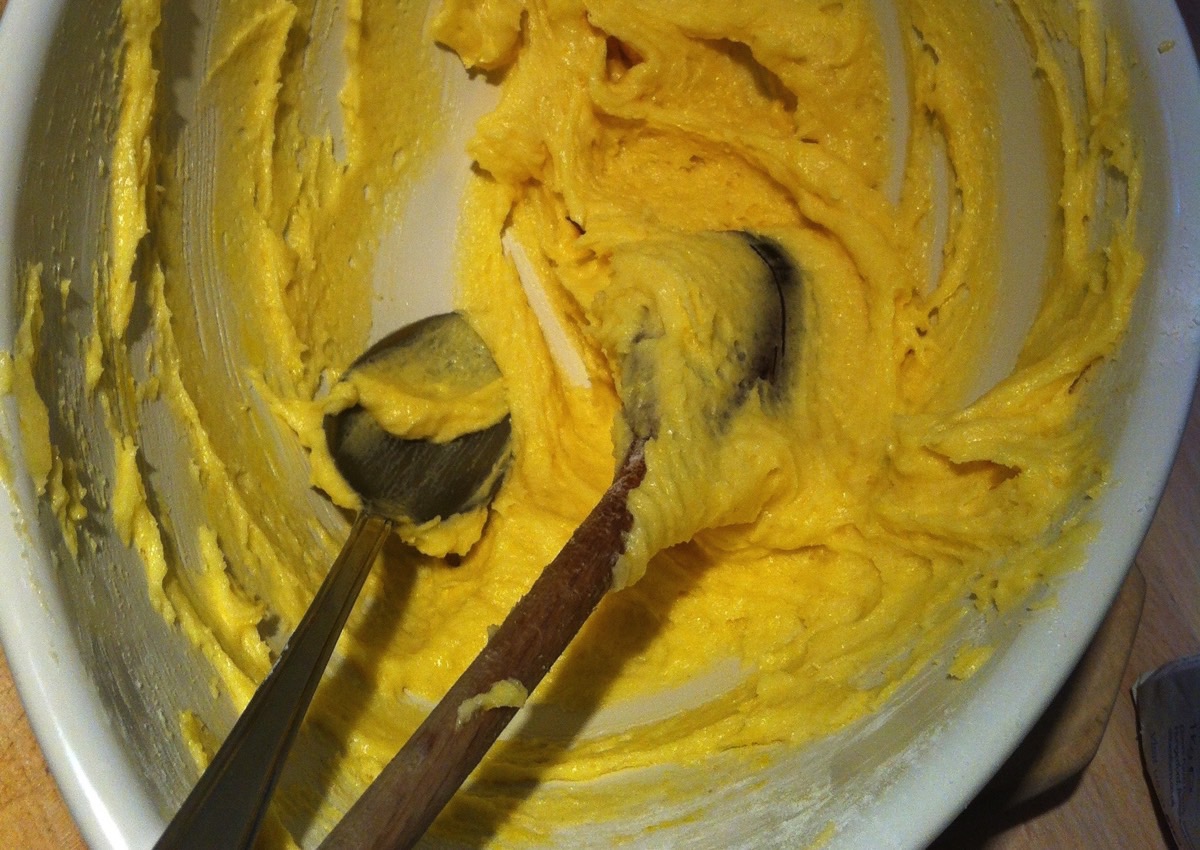
So when I was spending time with my family, before the “Great Migration North”, and my dad and I were feeling a need for sugary treats, I whipped up a batch of these. And, thanks to my parents’ chickens, I was able to bake them with fresh eggs, which was amazing. If you ever get the chance to bake with eggs picked straight from the nest – or pretty darn fresh from a farmer’s market – don’t hesitate; they are amazing and they turn the batter of whatever you’re baking an amazing shade of sunshine.

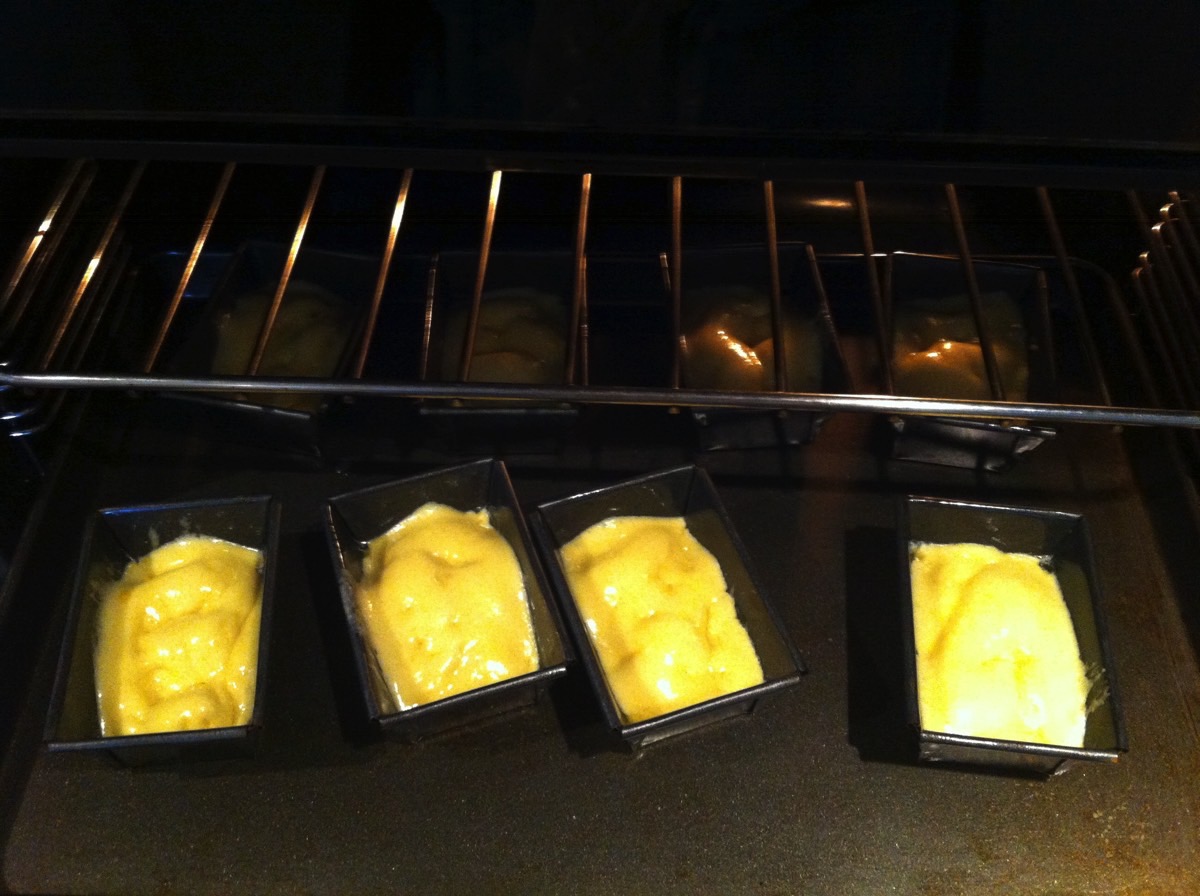
Although my parents still had the fairy cake tin I used to make these back in the day, I opted for mini loaf tins because – well, why not? And I’m pleased to say they worked a treat! Giving the little cakes extra room, making them a bit more substantial (the old fairy cakes could – and were – popped in the mouth whole and devoured) really paid off; they were light and buttery, with a light, yet, definite crisp to the edges. Perfection really, especially with a cup of tea.

Clementine baking 2

Keep in mind that this is a recipe that has had its edges mentally smoothed away over the years – it’s all the better for it, I think, but it also means that you should have full and free license to add to it, absorb it, and play around with it. But mainly, please, bake it with love.

Ingredients

For mini loaf cakes:
250g self-raising flour*
250g caster sugar (golden or regular – either works)
250g butter
2 eggs
Vanilla extract

For drizzle:
Sugar
1-2 clementines (depending on size)**

*I used gluten free self-raising when I made these as my mum is gluten-free, but they would work just as well with normal flour. If you do fancy making these gluten-free – for dietary reasons or just because you’re curious – use Doves Farm (Self-Raising), it’s the best gluten-free flour we’ve found. And don’t think that you’re missing out on anything; not only could you not taste the difference at all, but I think the gluten free flour actually made them a little bit lighter.

** The mini loaf cakes would be delicious with a more traditional lemon drizzle as well. Or stir some fresh or frozen berries into the mixture and omit the drizzle for a more fruity mini loaf. It’s all good!

Method

clementine 3

  1. Preheat the oven to 180°C.
  2. Melt the butter gently (microwave or on the hob) – it doesn’t all need to be liquid, but warm and soft is good – then mix with the sugar. Add a generous splash of vanilla extra to this mixture.
  3. Start to add the flour. Don’t add all at once (gently does it), but rather add a batch, stirring gently to combine, then add an egg, stirring gently to combine before adding another dollop of flour – you get the idea. It’s not precise, but alternating work – you don’t overwhelm the batter and the end result is light, fluffy cakes.
  4. Once it’s all combined, pour the batter into your greased (little bit of butter and a light dusting of flour) mini loaf tins – or cupcake tins – and pop in the oven.
  5. Depending on the size of your tins, it could take about 10 mins, maybe 15. But I’d make yourself a cup of tea and make the syrup while you keep an eye on them – maybe even do the washing up, if you’re speedy! Or, do as I (try to) do and exert Chef’s Exemption – e.g. “She Who Cooks Does Not Wash Up”. (Word to the wise – this doesn’t always work, but it’s always worth a shot!) Essentially, after about 10 minutes, be ready to whip them out when they’re golden and cooked through (prick with a cocktail stick or a knife and it should come out clean).
  6. For the syrup: peel lovely long strips of clementine zest and pop in a small saucepan. Add to this the juice of said clementine and a few tsps of sugar. This is done entirely to taste. Add the sugar, switch on the hob and gently heat the mixture, stirring while the sugar melts. Dip your spoon in – if it tastes pleasantly sweet (not too sickly), you’re good to go. If you’ve over-sugared, add a little more juice or water. If it’s not sugary enough, add a bit more.
  7. When the mini loaf cakes are ready, leave them in their tins and drizzle over the clementine syrup. Let them cool ever-so-slightly, if you can restrain yourself – otherwise, dig in! They are delicious when cold, too. They’ll keep for a few days (either in their tins, or out), but in my experience they don’t usually make it to day 2.

courgette gratin

This is a gratin that signifies and celebrates life is on the upswing. More or less, anyway. After all, how can anything with dill and cinnamon in it be anything other than spectacular? A new flavour combination for some, to be sure, but trust me on its magnificence. For others, it’s tried and true for a good reason. Especially when served with sausages, or perhaps – as we’re going to have it – with prosciutto wrapped chicken breast. As I said, things are on the up.

photo 3

It’s been a few weeks since I’ve been able to form coherent thoughts about what’s going on. Turns out quitting one’s job, moving to a new city, and creating a new life has its challenges. Whoda thunk? So our move-out date rolled around and everything we owned went to Scotland… without me! It’s all currently stuffed in a storage locker, awaiting liberation. But – happy days – after a substantial dose of stress, hard work and several pages on the calendar rolling past, not only do we now have a flat (almost), but we have a move date (no movers yet) and I have a train ticket north. Huzzah. So a knock-out supper is in order.

photo 5

I’ve been lucky though; I have been graciously caught mid-freefall by my wonderful family, so although it’s been a bit hellish, I have actually been enduring the stress of the move in a green and leafy countryside cocoon. So, least I can do is cook from time to time (my shallot-butter roast chicken with fennel and potato gratin and homegrown beans with basil vinaigrette went down a treat – recipe to come).

photo 2

Tonight’s recipe for gratin is one I’ve made many times – hence the vague instructions – and many times without any official recipe to speak of (from memory in Villefranche de Lonchat is one of my favourites), but regardless of quantities, it always turns out a treat whatever it’s served with. In fact: I could happily eat this on its own. And lick the bowl after.

Courgette Gratin (or: Getting-Life-Back-Under-Control Gratin)
With thanks to the wonderful Elizabeth Bard, Picnic in Provence

photo 1-2

4 – 6 small to medium courgettes
1 medium red onion (or 2-3 shallots)
Small bunch of dill (chopped)
Hearty pinch of cinnamon (don’t be afraid)
Sea salt and freshly ground black pepper
Lashings of parmesan
And a few glugs of extra virgin olive oil.

Get the oven preheating to 180°C.

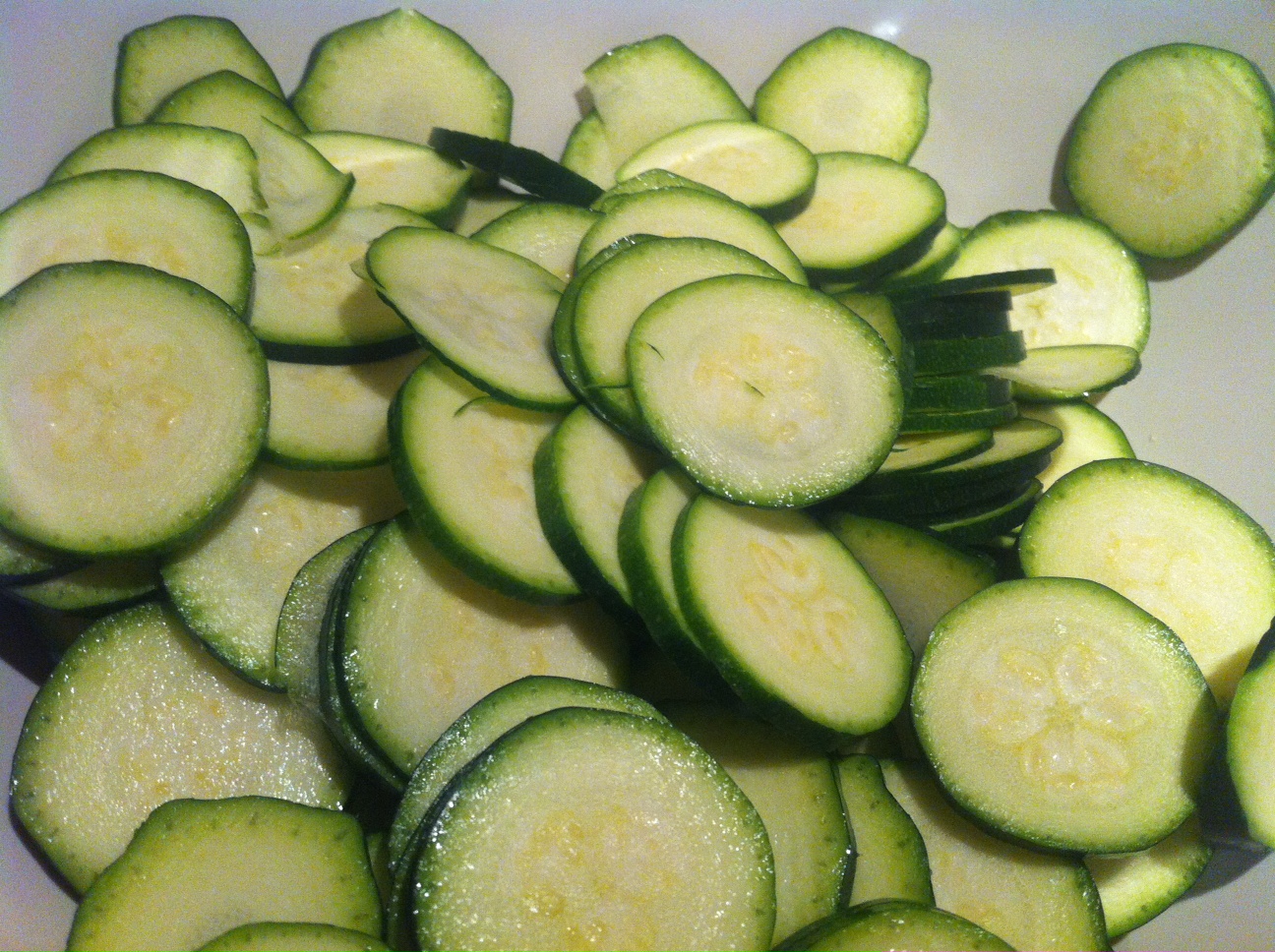
Finely slice the courgettes into thin rounds – you can do this with a sharp knife or, for those with a well-stocked kitchen, finely slice using a mandolin or the slicer on a box grater. Plonk into a bowl.

photo 2-2

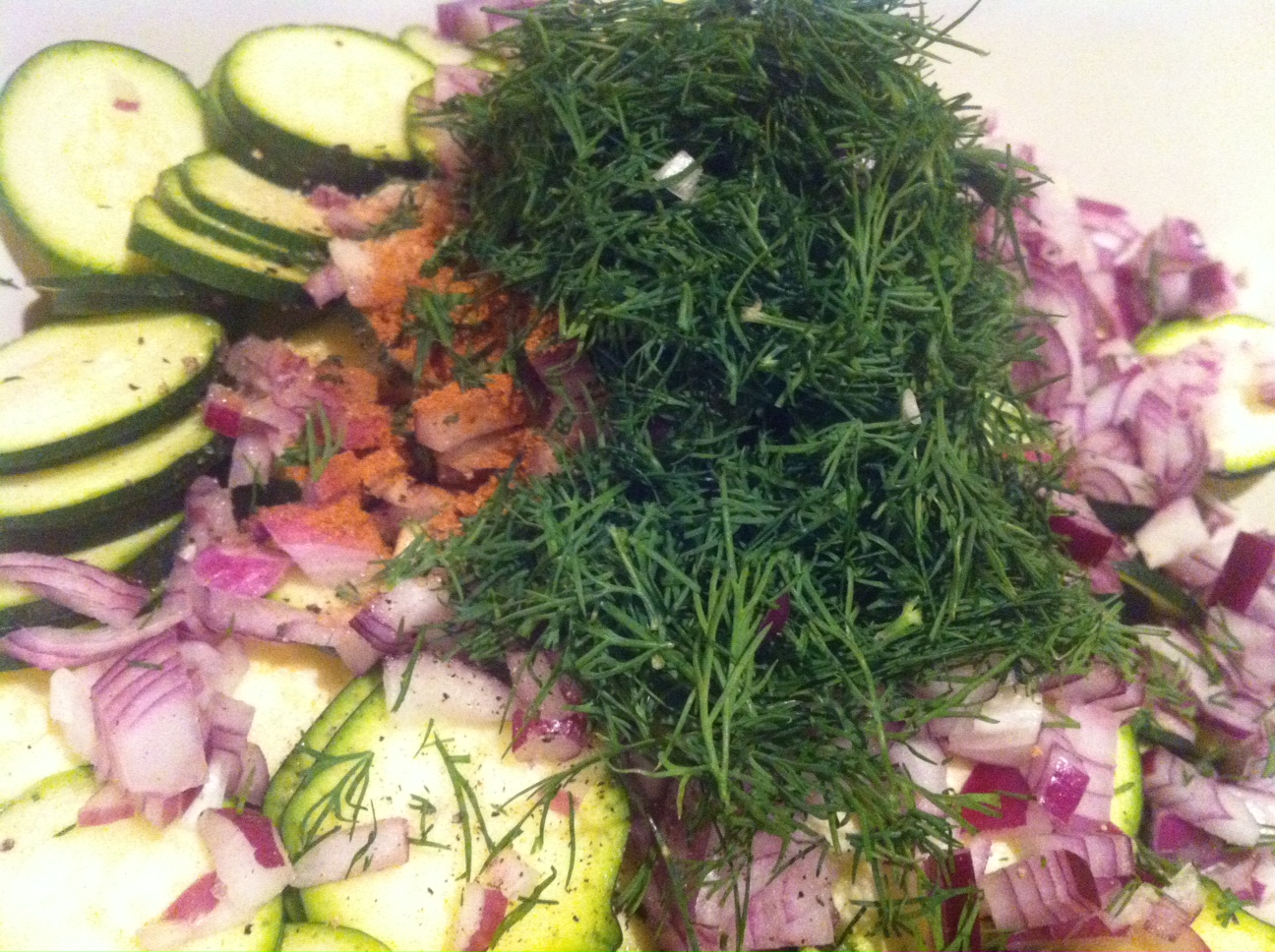
Dice the red onion (or shallots); make the dice nice and petite. And chop the dill fronds. Add all this to the bowl, and add the salt, pepper, and the hearty pinch of cinnamon.

Finally, toss it all together with a few glugs of extra virgin olive oil, making sure all the courgette slices and cubes of onion are coated in the oil and seasonings, and decant into a ovenproof dish. This can be a pie dish, a pyrex lasagne dish or an enamel dish – whatever – but whatever it is, pick one that’s deep and of a small to medium size. Don’t feel the need to arrange the courgettes, they’ll fall into a nice, layered arrangement on their own, but you’ll want a good few layers so it cooks well. Think deep, rather than wide. And, the courgettes will shrink as they cook, too.

photo 2-4

Cook it for an hour. Then sprinkle freshly grated parmesan on and pop under the grill for 3-4 minutes so the top of the gratin gets crisp, golden and delicious. Or, 10 minutes before the end of the hour, add the parmesan and put back in the oven for the remainder of the cooking time. Either way works – depending on how hungry and impatient you are (and how many other dishes you’re in the process of wrangling onto the table).

And then eat. You’re welcome.

I’d love to show you what the finished dish looks like but, true to form, I was so excited about eating it that taking a picture was the furthest thing from my mind. It was all golden in its cheesy, pretty damn healthy perfection and I was powerless before it. C’est la vie.

chapter 2: in which Giv makes a life-changing decision

I’m moving to Glasgow.

That’s right, people, I’m picking up sticks and moving. Away. Far away. I’m going to have an entirely different life – one which will be hard, one which may fail, one which may see me reduced to peddling my writerly wares to the lowest, most unethusiastic bidder. Essentially: I may fall flat on my face into the metaphorical shit. But, gosh dang it, I’m doing it.

As you may remember, I’m a writer living in London: I have a great job, wonderful friends, a beautiful flat, and so on and so forth – so, on the surface at least, there’s no real reason to go. But going I am, because deeper down, there’s every reason to go.

I may need to explain.

Clyde Arch_Credit Giuseppe Milo:Flickr_www.flickr.com:photos:giuseppemilo:16331067284

Ta da! GLASGOW! © Giuseppe Milo/Flickr

Firstly, don’t get me wrong – London is awesome. Me and London are breaking up on totally amicable terms. The theatre, the opera, the food, the fun; it’s all grand. Really, London – it’s not you, it’s me. (Well, to be fair, it’s a little bit you – over the past four years I’ve lived here, I’ve spent approximately 2,000 hours crammed in tubes, buses, and trains dealing with overcrowding, overheating, delays, anger, hatred of other humans, and sheer exhaustion – otherwise known as a London commute. I mean, come on – that’s not cool, man.)

So, I’ve started craving green spaces; dense woodland – fields – meadows – mountains. The whole shebang. Not that surprising given the fact that I grew up in the countryside. But more than that, I’m craving change. I’ve just reached saturation point with London and office life and the never-ending rush of it all.

So, to Glasgow it is.

Pollok Park_Credit Robert Brown:Flickr_www.flickr.com:photos:99408200@N05:10514353895

Come on! Look at all that green! Pollok Park is definitely on the “To Visit” list © Robert Brown/Flickr

And, yes, I do understand that Glasgow is another city (and one which, I must confess, I have never been to – how’s that for mad?), but it’s more the fact that I’m making a massive about turn and trying something entirely new. I’m thinking of it a little like playing a game of Pooh Sticks with the universe – I’m chucking my sticks in the river and racing to the other side of the bridge to see what happens.

This “little” change in direction northwards was prompted by J going back into education in Glasgow and my not-so-secret desire to run away to pastures new. I lived in Scotland when I was younger (and had a teeny tiny Scottish accent for a while to prove it) and though Glasgow is completely new for me (it’s looking like my first visit to the city will be with the removal van), I’m excited to be going back. And, of course, diligent writer that I am, I’ve done my research; Glasgow looks pretty awesome!

Glasgow_Highland Cattle_Credit dun_deagh:Flickr_www.flickr.com:photos:dun_deagh:6841016734

Highland Cattle are awesome – enough said © dun_deagh/Flickr

But, before you think I’m very well-adjusted and calm about all of this, let me just set the record straight – I’m not. It’s hard trying to find a flat in another country! And before I’d made the decision to go, I was even worse. I was a hot mess. I ummed, I ahhed, I made innumerable pro and con lists. There was a lot of sneaky back-of-the-brain pondering, which eventually reached a fever pitch of panic and nonsense and the paralysing decision-avoiding equivalent of brain freeze.

In fact, to be perfectly honest, I never even had an “AHA” moment where I boldly took up the majestic sceptre of this new adventure, claiming it as my own and charging forth into the unknown. What actually happened was the people closest to me were kind enough to point out that I had already made up my mind. I was having the emotional equivalent of a bunny in the headlights moment at the time, but looking back, they were right on the money. But there you have it – sometimes life takes a wonderful, bonkers change in direction.

Kelvingrove Art Gallery and Museum - cannot wait to go here © Jean-Pierre Dalbéra/Flickr

Kelvingrove Art Gallery and Museum – cannot wait to go here © Jean-Pierre Dalbéra/Flickr

So I’m going to go off on an adventure. I shall throw myself at life! (What a grand sentiment!) And, although it’s quite likely that life will throw something equally bulky and hard to handle (as me – get it?) at me, I have to try. If I don’t, then I’m a cowardly, cowardly custard. So I’m doing it. And I’m writing it here so that you know it, too. There’s no turning back! Onwards to researching removal vans and Rightmove.

So, to Glasgow it is. And here’s hoping I figure life out when I get there!

Header image © Robert Brown/Flickr

bagels: 4 ways

So, this week I had a hankering for bagels. This is not unusual – especially as blueberry bagels can be found in the UK again. Praise be the bagel gods! Personally, I believe that there’s no such thing as a bad bagel topping; these beauties will work with whatever you throw at them. But there are a few combinations that I LOVE. I’m going to limit myself to four of my favourites today, otherwise I could ramble on forever. And, word to the wise, I go for toasted bagels every time. Anyhoo, without further ado, here are four of my beloved bagels: sweet, savoury, hangover-alleviating, and Monday-morning-easing bagels of brilliance!

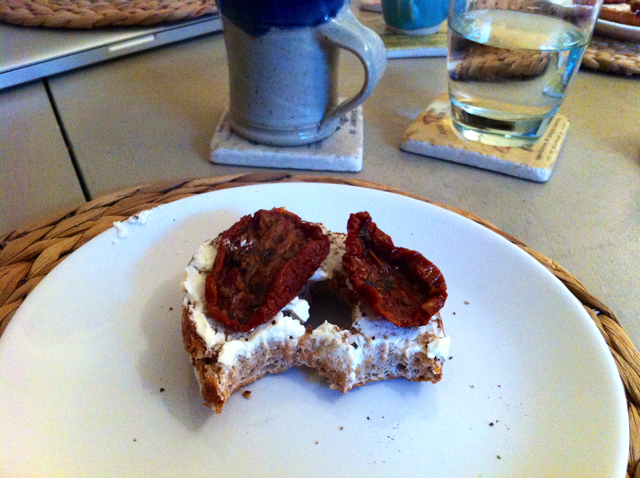
Hangover Alleviating Bagel: Wholemeal bagel with cream cheese and sun dried tomatoes.

sun-dried-toms-resized

You’ll notice this quite a bit – I’m often rather excited when I’ve made something and entirely completely forget (or remember half way through, like here) to take a photograph!

This is an epic hangover breakfast; trust me, I’ve done the legwork on this one. It’s also best served with a strong cup of coffee made with one’s trusty Bialetti. I’d give you the rundown on how to make it, but it’s literally a healthy shmear of cream cheese, topped with whole sundried tomatoes and a pinch of pepper, for good measure. It’s simple because when one is hungover, doing anything that requires effort is not possible.

If, however, you’re sober and functioning at a normal human capacity when you make this, you could give it a bit of extra oomph: finely chop the sundried toms, adding a tiny amount of finely diced garlic (about a third or a half a clove, depending on its size), some chopped basil leaves, a squeeze of lemon and a pinch of pepper, and stir it all into the cream cheese. Then spread it over your hot and toasty bagel for epic tastiness. If you happen to make more than your bagel allows (a shocking thought, I know), just pop in a clean jam jar or tupperware bowl, stash in the fridge and – if you happen to have a few too many drinks that night – your hangover breakfast will be ready and waiting for you the next morning. You’re welcome.

Monday-Morning-Easing Bagel: Dilly mackerel bagel with paper-thin radishes.

Oh, radishes - you peppery bastards - I love you © Pen Waggener/Flickr

Oh, radishes – you peppery bastards – I love you © Pen Waggener/Flickr

This is also a great budget recipe, and makes a filling lunch. Take one can of mackerel, drain, and add to it the juice of half a lemon, a healthy pinch of freshly ground pepper, a teaspoon of mayonnaise and a hearty dollop of dill sauce. If you don’t have dill sauce in your store cupboard, never fear: freshly chopped dill will work just as well. I like to have mine with extra dill – chopped and sauce – dolloped on top and a couple of finely sliced radishes for extra fresh, peppery crunch.

Savoury Bagel, the Lunch of Champions: Onion bagel with pastrami, dijon, cheddar and cornichons. Best with a (diet) coke.

Wholegrain or Dijon mustard would work well with this, depends entirely on your mustardy preference © Jessica Spengler/Flickr

Wholegrain or Dijon mustard would work well with this, depends entirely on your mustardy preference © Jessica Spengler/Flickr

This is one I’ve grown up with (thanks, Mum!) and, man, is it tasty. In fact, it’s probably one of my mum’s and my all-time favourite ways to have a bagel. Reminiscent of a NY bagel, with a UK twist (good old cheddar), this one goes great with Dijon or wholegrain mustard, but feel free to experiment – a person’s choice of mustard is a personal one, after all. Layer it all up (I like to go bagel – mustard, maybe a bit of mayo – cheddar – pastrami, and then little cornichons on the side for nibbling) and dig in. Salt beef also works a treat here – feel free to add sauerkraut, too, if that floats your bagel boat.

Sweet Memories Bagel: Blueberry bagel with strawberry cream cheese.

Bumper crop of strawberries from my parents' garden this year © Mum / Earthbornliving

Bumper crop of strawberries from my parents’ garden this year © Mum / Earthbornliving

I used to have these when I visited my American godparents in the good old days of being little and parents paying for airfare: my dad and I would swoon for a toasted blueberry bagel and strawberry cream cheese. And though strawberry cream cheese isn’t something you see every day on this side of the Atlantic, it is happily something that can be easily rectified. Just whizz everything (strawberries, icing sugar, cream cheese) in a food processor*, and there you have it. Although the mixture will be slightly looser than the store bought variety because of the juice from the berries, it definitely packs an epic flavour punch when strawberries are in season.

*Don’t worry if you don’t have a food processor/can’t be bothered to use it because of the washing up it will later entail: just mash the ripe strawberries with your fork, add the sugar to taste (you won’t need too much if the strawberries are ripe and juicy) and vigorously beat the cream cheese in.

Header image © blinq/Flickr

Egyptian tomato salad

Tomatoes are glorious. There, I said it. Whether fried green ones or cherry ones sliced on buttered toast, in soup or salad, tucked in a burger or the main event – I love them.

I’m always on the lookout for new tomato recipes, and I’ve crossed paths with this one more than once recently so I took it as a sign from the universe. (That and I had a big bowl of ruby red tomatoes sitting on my kitchen table).

This is a great dish to have up your sleeve for summery lunches with friends, especially as you can prepare it the night before and just liberally sprinkle it with herbs before serving in the manner of the totally cool, collected host that you are deep down inside… deep, deep down, if you’re anything like me. (Just be sure to let it come to room temperature before you eat – it will taste much better for it).

I actually made this sitting at my kitchen table on a Sunday night while I was absentmindedly watching Netflix. Deep in the throes of Sunday blues, I didn’t want to admit the weekend was over and go to bed, so I whacked some TV on in the background and blanched some tomatoes and got on with this!

The next morning, I took the tomatoes out of the fridge, sprinkled them with herbs, and served them with an egg white omelette and a strong, black coffee; it was Monday, after all.

Egyptian Tomato Salad
Inspired by Colette Rossant’sApricots on the Nile”

Tomatoes (around 5 or so should do it)
1 shallot
1 garlic clove
Olive oil
Salt and pepper
Chervil (or a mixture of fresh parsley and tarragon, see below)

Makes 4-6 small servings; 2-3 generous helpings; 1 greedy serving.

Score little x’s in the bottom of the tomatoes. Pop them in a large bowl and pour over boiling water until they’re completely submerged and leave them for a few minutes (no more than 5 because you’ll basically be cooking them – I tend to wait for the minute the skin starts to visibly peel away, around 3 minutes).

Meanwhile, finely dice the shallot and garlic clove and place them in a little bowl with a healthy glug of olive oil and a pinch of flaky sea salt. This is your “dressing”.

When the tomatoes look ready, pour away the hot water and then, one by one, peel their skins off. (Sounds grizzly, but is immensely satisfying.)

Slice the warm fuzzy tomatoes thinly or thickly, depending on your preference. Personally, I prefer pretty thick slices for this – especially if I’m making it in advance because thin slices are more likely to disintegrate and create a sauce, rather than a dish, over time.

Place them in a dish, pour over the dressing, cover and leave for around an hour. This gives the flavours time to deepen and blend. It will be lovely to eat from this point on, but if you’re going to use it the next day, just pop it in the fridge and forget about it.

All that’s left is – when ready to serve – to finely slice chervil to sprinkle on top. And voila!

Now: a word on chervil. If you have it, then go for it! Trust Colette. But it’s not the easiest herb to find. When I made this, it was a Sunday night and, as committed as I am to delicious food, I was not about to go out in my PJs in search of it. So I used a mixture of parsley and tarragon to roughly mimic the fresh, yet slightly aniseedy taste of chervil. It works like a charm. Plus, it played in to my current obsession with tarragon, so that didn’t hurt either.

A great addition to picnic lunches, Monday morning breakfasts with egg white omelettes, or served simply on buttered toast as a snack – you really can’t go wrong, trust me. And it’s healthy, to boot! For an Italian twist on this Egyptian salad (cheeky, I know) and a great option if you want to make it a bit more substantial; some roughly torn mozzarella or shavings of parmesan wouldn’t go amiss.

Happy eating!
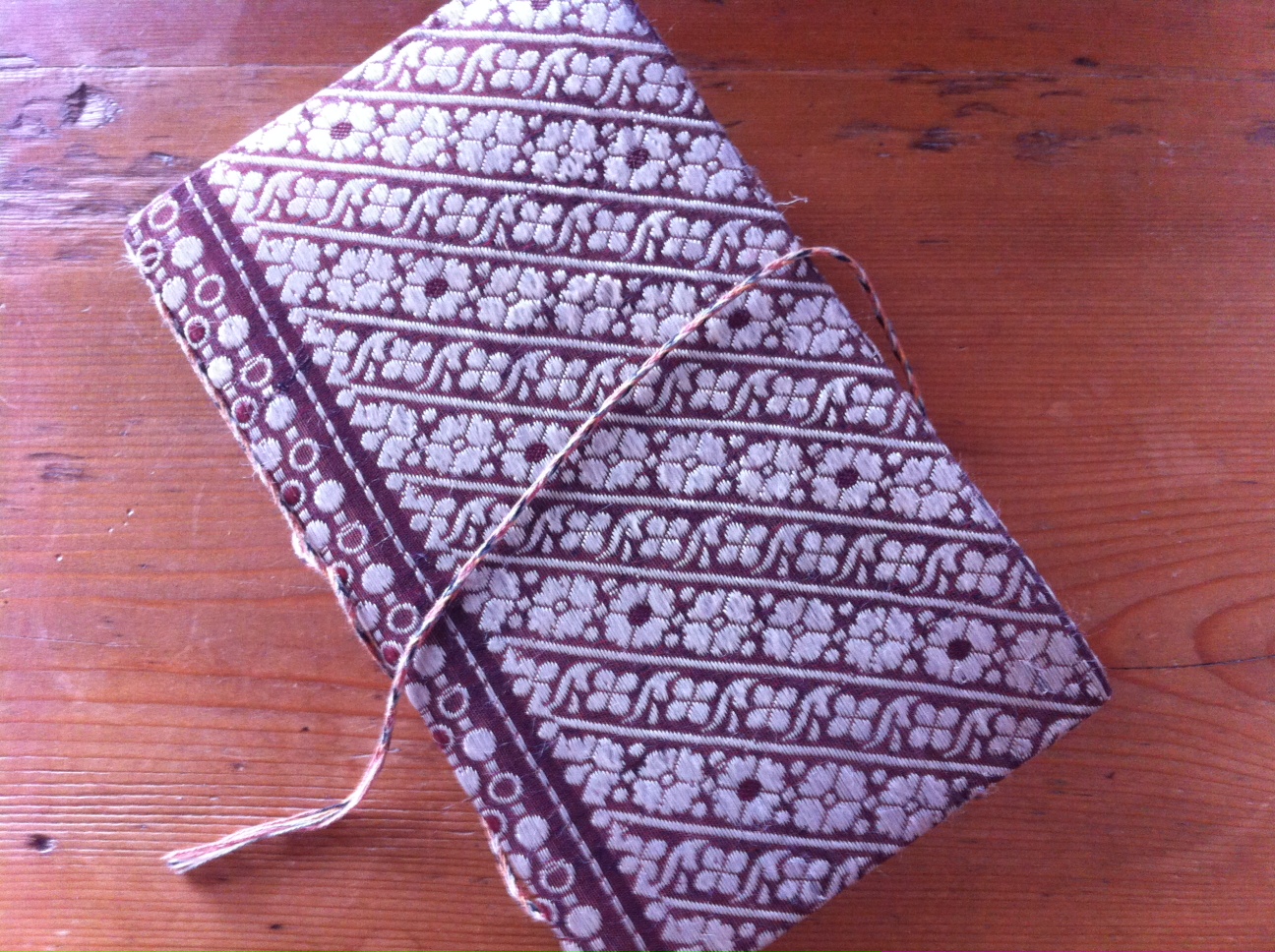
the “to do” list

First things first: I should tell you that this is probably not a “to do” list I will finish honestly. Not because the intention isn’t there, but because I started it when I was about 7 years old. And when one is 7 one thinks that going into space and getting kissed by Brad Pitt are fairly achievable life goals (this is why I have ticked off No. 15 “Go into space” by adding a small note: “Went to Planetarium on school trip – it counts.”). So prepare for a little creativity in my interpretation of some of these items.

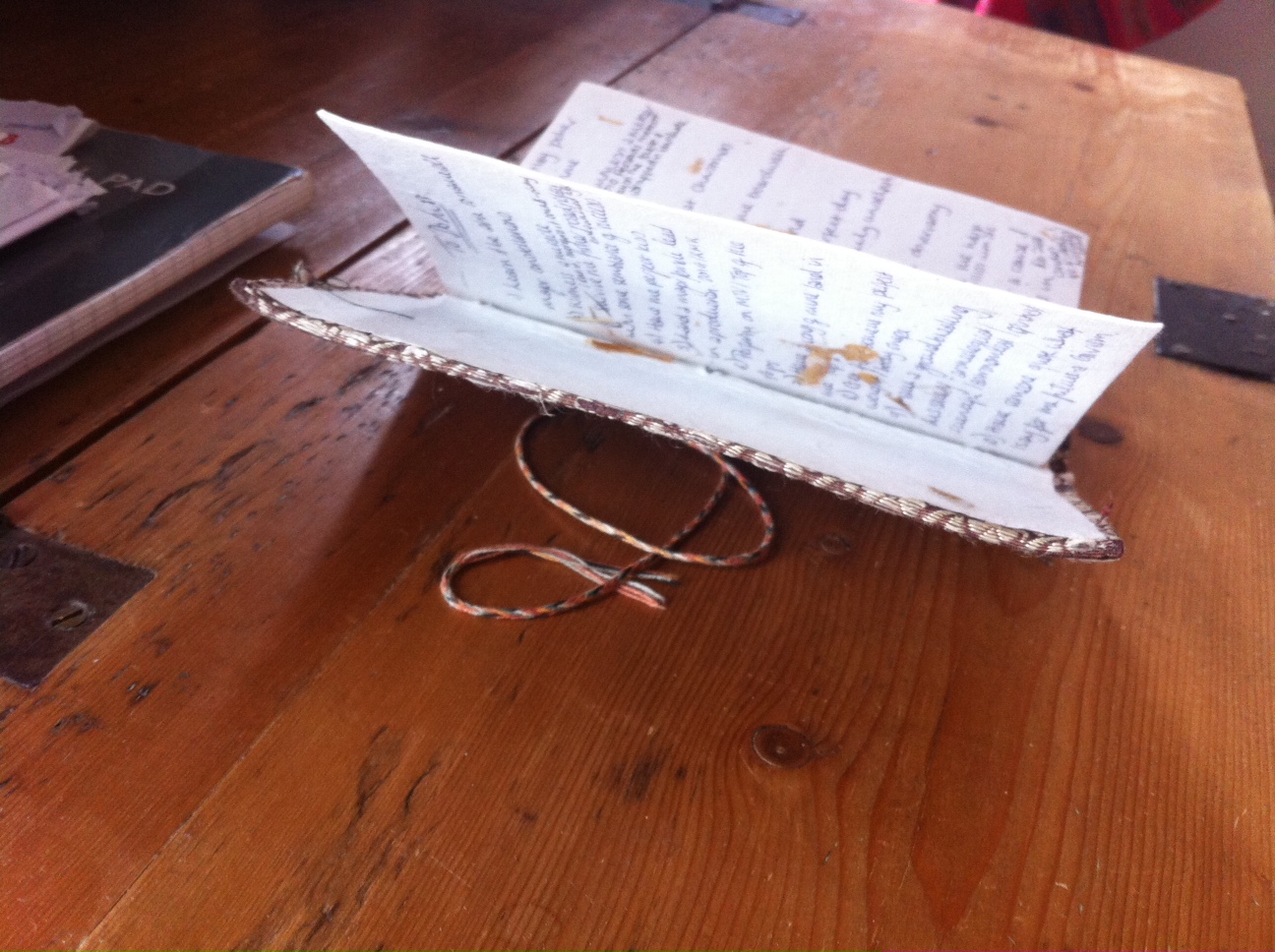
The notebook that contains The List.

The notebook that contains The List.

The List came into existence on scraps of paper; I would scribble things down when they popped into my head and then hoard the scraps and bits of paper away, or, more likely (I was little), lost them. So at some point over the years, probably around the time we lived in Glastonbury (I’m guessing based on the style of the notebook), I consolidated it all into one book. And thus The List was born.

image-1

I’ve been steadily ticking things off for years – often with year-long gaps between doing any, and then looking back and realising I’ve done some accidentally just by living and doing things. But that counts, too.

Currently there are 245 items on The List and I’ve done a fair few, got my eye set on a couple, and have no idea how I’m going to do some (No. 34 “Be specially chosen by the Queen/MI6 for a mission” – I date this one to around age 8 or 9). I’m going to tell you about some of the ones I’ve done and give you a heads up when I’m about to attempt one… This is gonna be fun.

chapter 1: in which we meet Giv

Here are some things I know:

  • Great olive oil and good, flaky sea salt will make almost anything taste good;
  • Love will change you;
  • Emma Thompson is absolutely glorious;
  • Pickled carrots are awesome;
  • Pickled garlic is also awesome;
  • Reading a book is an incredible gift to give yourself;
  • Commuting in London will make even the most sane and well-balanced people want to punch random strangers in the throat;
  • Everyday magic exists;
  • Me and mussels will always have a tense relationship;
  • Sometimes it can be hard to be kind, but it’s worth the effort;
  • Sleep will solve almost anything;
  • Nat King Cole’s voice and (most of) Thomas Newman’s music are like balm for the soul;
  • A good laugh and a good cry are sometimes completely necessary and should be actively encouraged;
  • Travel and food are two of the great joys of life;
  • Often doing what requires effort is better than doing what is easy; and
  • Leftover pizza makes a perfectly respectable breakfast.

While that’s not quite me bounded in a nutshell, I think it gives you a good idea. At least to begin with. I am a writer, traveller, lover of food. I have a wonderful family, great friends, and I’m lucky enough that my best friend is also my boyfriend of seven years. I love wine, and think a dry martini or a great scotch is brilliant when days get tough. Coffee from my much-loved bialetti is one of my favourite daily rituals. I think yoga is a fantastic way to find a little slice of calm in a busy week. And I love to cook – anything and everything.

326457_10150592230038024_1290586037_o

Speaking of: the heart of this blog is about food. About the restorative powers of cooking. Of finding passion in the rise of a loaf of bread, the smell of gumbo, the colour of homemade marmalade. And cultivating a slower pace. It’s about me, by and large, and the weird and wonderful things in my particular life.

I think it’s going to be fun.

For now, have a read through some of the posts, get in touch, follow me on Twitter and keep reading!